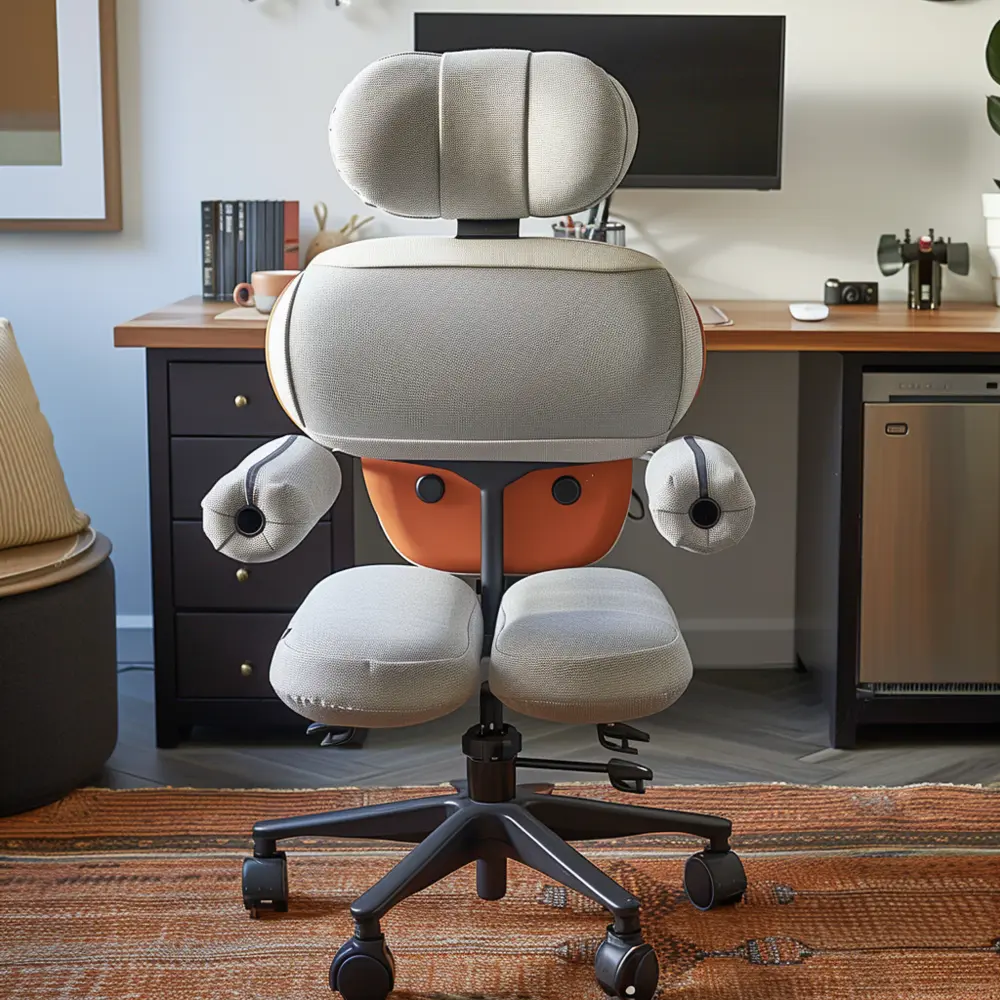
Discover the ultimate guide to selecting the perfect ergonomic office chair with this comprehensive exploration of comfort, support, and productivity. From understanding the key features to considering individual preferences and needs, this article offers valuable insights and practical guidance for a diverse range of readers, ensuring they make an informed and satisfying choice for their workspace.
Understanding the Importance of Ergonomic Office Chairs
When it comes to creating a comfortable and productive workspace, the choice of desk chair for the office plays a crucial role. Ergonomic office chairs are designed to provide the necessary support and comfort for individuals who spend long hours sitting at a desk. The impact of ergonomic office chairs on comfort and productivity cannot be overstated. These chairs are specifically engineered to promote good posture, reduce the risk of musculoskeletal disorders, and enhance overall wellbeing, leading to improved focus and efficiency in the workplace.
The benefits of using ergonomic office chairs extend beyond physical comfort. By supporting the natural curve of the spine and promoting proper alignment, these chairs can help prevent back pain, neck strain, and other common issues associated with prolonged sitting. Additionally, the ergonomic support provided by these chairs can contribute to better circulation, reduced fatigue, and increased energy levels, ultimately boosting productivity and job satisfaction.
Key Features to Look for in an Ergonomic Office Chair
When shopping for an ergonomic office chair, it’s essential to consider a range of key features that contribute to optimal comfort and support. These features include:
Adjustable Seat Height and Depth
The ability to adjust the seat height and depth allows individuals to customize the chair to their specific body dimensions, ensuring proper alignment and support for the legs and lower back.
Lumbar Support and Backrest
Adequate lumbar support is crucial for maintaining the natural curve of the spine and preventing slouching. A contoured backrest that supports the entire back promotes healthy posture and reduces the risk of back pain.

Seat Width and Depth
The seat should provide enough width and depth to accommodate the user comfortably. Proper seat dimensions prevent pressure on the thighs and promote circulation.
Armrests
Adjustable armrests contribute to overall comfort by supporting the arms and shoulders, reducing strain on the upper body.
Swivel and Stability
A chair with a swivel feature and stable base allows for easy movement and access to different areas of the workspace without compromising stability or safety.
Considering Individual Preferences and Needs
In addition to the standard features of ergonomic office chairs, it’s important to consider individual preferences and specific needs when making a selection.
Body Type and Size Considerations
Individuals with larger or smaller body types may require chairs with specific weight capacities and dimensions to ensure proper support and comfort.
Specific Health Concerns and Ergonomic Chair Features
Those with existing health concerns, such as chronic back pain or sciatica, may benefit from chairs with specialized features, such as adjustable lumbar support or memory foam padding.
Personal Work Habits and Tasks
Consider the nature of the work being performed. For example, individuals who frequently switch between sitting and standing may benefit from an ergonomic chair designed for use with an adjustable height desk.
Exploring Different Types of Ergonomic Office Chairs
Ergonomic office chairs come in various styles, each catering to different preferences and needs. Some common types include:
Task Chairs
These chairs are versatile and suitable for a wide range of office tasks, offering adjustable features for personalized comfort.
Kneeling Chairs
Designed to promote an open hip angle and improve posture by distributing weight between the pelvis and knees, these chairs are ideal for individuals seeking an alternative sitting position.
Saddle Chairs
With a saddle-shaped seat, these chairs encourage a more upright posture and can be beneficial for individuals who require greater mobility while seated.
Ball Chairs
These chairs feature a large exercise ball as the seat, promoting active sitting and core engagement while providing ergonomic support.
Executive Chairs
Offering a high level of comfort and a professional appearance, executive chairs are suitable for individuals who prioritize both style and functionality.
Making an Informed Decision
To ensure the selection of the perfect ergonomic office chair, it’s important to take several factors into account.
Setting a Budget
Determine a budget that aligns with the desired features and quality, ensuring that the chosen chair meets both comfort and financial requirements.
Trying Out Chairs Before Purchasing
Whenever possible, test different chairs to assess their comfort, adjustability, and overall fit to individual needs.
Researching Reputable Brands and Customer Reviews
Look for well-established brands known for producing high-quality ergonomic chairs, and consider customer reviews to gauge satisfaction and durability.
Considering Warranty and Return Policies
Evaluate the warranty coverage and return policies offered by manufacturers or retailers to safeguard the investment and address any potential issues.
Conclusion
Selecting the perfect ergonomic office chair is a decision that should not be taken lightly. By understanding the importance of ergonomic support, identifying key features, considering individual preferences, exploring different chair types, and making an informed decision, individuals can ensure they invest in a chair that promotes comfort, support, and productivity in the workplace. With the right ergonomic office chair, individuals can create a conducive and healthy work environment that enhances overall wellbeing and performance.