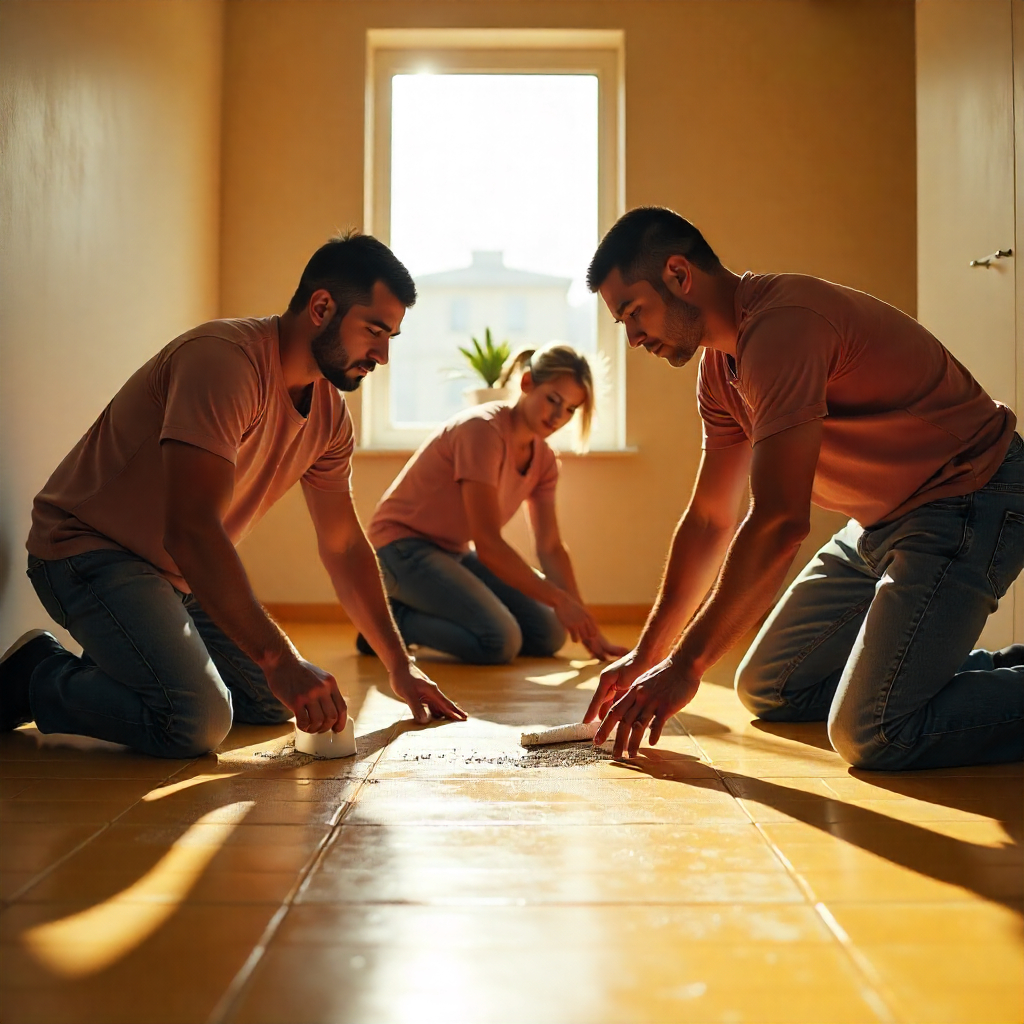
The harsh truth about bathroom waterproofing hits hardest when you’re staring at a water stain spreading across your HDB flat ceiling at three in the morning, knowing that every dollar spent on repairs means less food on the table for your children. Across Singapore’s public housing estates and private condominiums, ordinary families wage a quiet battle against moisture, mould, and the relentless tropical climate that threatens their homes and health.
In Toa Payoh, 58 year old factory worker Lim watches water drip into a plastic bucket placed strategically beneath a ceiling stain. “Started small,” he says, pointing to what began as a coin sized mark six months ago. “Now look.” The brown stain has spread like spilled tea across nearly half his bathroom ceiling. The estimate for proper repairs? Nearly two months’ worth of his overtime pay.
The Invisible Burden on Working Families
Walk through any HDB estate during Singapore’s monsoon season and you’ll hear the untold stories. Families choosing between fixing leaky bathroom seals and paying their children’s school fees. Elderly residents living with persistent mould growth because professional waterproofing services cost more than their monthly pension.
The numbers paint a stark picture of what working families face. For an average sized bathroom in Singapore, which is around 4 to 6 square metres, waterproofing costs may range from SGD 800 to SGD 1,500. That represents nearly 40% of the median monthly household income for the bottom quintile of Singapore residents.
Sarah Chen, a single mother working two part time jobs in Jurong, discovered water seepage behind her bathroom tiles when her young daughter developed recurring respiratory problems. “The doctor asked about mould in our home,” she recalls. “I thought we were just unlucky with allergies.” The reality struck harder when renovation contractors quoted bathroom waterproofing costs that exceeded her entire emergency savings.
Climate vs Community: An Unequal Fight
Singapore’s tropical climate shows no mercy to economic status. Whether you live in a million dollar condominium or a rental flat in Geylang, the same environmental forces assault your bathroom walls. High humidity levels create ideal conditions for mould growth, whilst sudden temperature changes cause building materials to expand and contract, creating microscopic cracks that become pathways for water infiltration.
“Due to the high humidity levels in the bathroom, the water does not evaporate, making it an ideal condition for the growth of mildew and mold. These mold particles can affect the air quality in the bathroom causing an unpleasant smell.” This scientific reality translates into daily struggles for families who cannot afford proper ventilation systems or regular maintenance.
The health implications disproportionately affect those least equipped to handle additional medical expenses:
- Respiratory problems: Particularly severe for children and elderly family members
- Skin irritations: Chronic conditions requiring ongoing medical treatment
- Allergic reactions: Triggering asthma and other breathing difficulties
- Sleep disruption: From persistent musty odours and visible mould growth
The Real Cost of Delayed Action
In Bedok, 45-year-old taxi driver Rahman learned the expensive lesson of postponing bathroom waterproofing repairs. What began as minor grout discolouration escalated over eighteen months into major structural damage requiring complete bathroom renovation. “I thought I was saving money by waiting,” he admits. “Instead, I ended up borrowing from relatives to fix everything at once.”
Professional waterproofing specialists report that “roof leaks and bathroom waterproofing failures are the most common residential waterproofing issues in Singapore homes, often caused by heavy rainfall and high humidity.” The pattern repeats across income levels, but consequences hit hardest for families without financial cushions.
On average, a basic toilet waterproofing job can cost anywhere from $600 to $900. More complex jobs, such as those involving multiple layers of waterproofing or the use of specialised materials, can cost upwards of $1,000 or more. For families earning $3,000 monthly or less, these figures represent major financial decisions.
Survival Strategies from the Ground Up
Despite economic constraints, resourceful families have developed practical approaches to bathroom waterproofing challenges. In older HDB blocks, residents share knowledge about early warning signs and preventive maintenance techniques that can delay expensive repairs.
Regular cleaning routines become acts of financial preservation. Keeping bathroom surfaces dry after every use, maintaining proper ventilation, and addressing minor leaks immediately help extend the time between major waterproofing interventions.
Some families pool resources with neighbours to negotiate group rates for professional services. Others learn basic sealing techniques through community workshops, understanding that whilst professional bathroom waterproofing remains the gold standard, interim measures can provide crucial breathing room for household budgets.
The Broader Picture: Housing and Health Equity
Bathroom waterproofing challenges reveal deeper housing inequities:
- Older HDB blocks: Face infrastructure challenges avoided by newer developments
- Individual responsibility: Residents bear costs for building wide moisture problems
- Private vs public: Condo owners have collective building funds, HDB residents don’t
- Health disparities: Families with limited resources suffer disproportionate mould exposure
Looking Forward: Community and Solutions
Community centres now offer basic home maintenance workshops, including identifying bathroom waterproofing failure signs. Residents learn to distinguish cosmetic issues from serious structural problems requiring professional intervention.
Resilient communities share contractor information, warn about substandard work, and pool repair knowledge for families on limited budgets.
For working families across Singapore, the battle against moisture damage represents more than home maintenance. It’s about protecting the health of loved ones, preserving financial stability, and maintaining dignity in the face of relentless environmental challenges. Every successful repair, every prevented leak, every properly sealed bathroom tile represents a small victory in the larger struggle for decent, healthy housing that doesn’t bankrupt ordinary families seeking nothing more than safe homes for their children.
The fight continues in bathrooms across the island nation, where proper bathroom waterproofing remains both an essential household necessity and a significant financial challenge for Singapore’s working families.